
How Tribute Artists Preserve Musical Legacies
Table of Contents
How Tribute Artists Keep Iconic Music Alive
More Than Covers: The Role of Characterization
How Tribute Bands Honor Original Artists Through Authentic Performance
Vocal Technique and Instrumental Skills
Costumes, Wigs, and Signature Looks
What Makes an Authentic Tribute Performance
Measuring Whether the Legacy Actually Landed
Where Authenticity and Impersonation Diverge
Preparing a Tribute Show: Research, Rehearsal, and Set List
Tribute Shows for New Generations
Educational Music Outreach and Community Engagement
Legal and Ethical Considerations: Music Rights and Licensing
Archiving Performances and Documenting Musical History
Frequently Asked Questions
Last Updated: October 5, 2026
How Tribute Artists Keep Iconic Music Alive
Tribute artists are performers who recreate the sound, look, and stage presence of a specific musician, keeping that artist's catalog in front of live audiences decades after the original recordings were made. At Theatre of the Rockies, we see this work up close: it is part performance, part research, and part preservation. A tribute act that only copies a voice misses the point. The best ones carry a songbook forward to people who never saw the original performer in person.
That distinction matters more than most fans realize.
More Than Covers: The Role of Characterization
A cover band plays songs by many artists. A tribute artist plays one artist's catalog and studies how that person moved, spoke, and held a room. Characterization is the difference.
That means learning the between-song stories, the phrasing quirks, and the way a performer built a set. It also means knowing when to stop. A tribute is an homage, not a Halloween costume contest.
Study live recordings, not just studio tracks
Note stage banter and how the artist addressed a crowd
Learn the tempo changes the artist used in concert
Match mannerisms without turning them into parody
The goal is a recognizable sound and a familiar presence, delivered with respect.
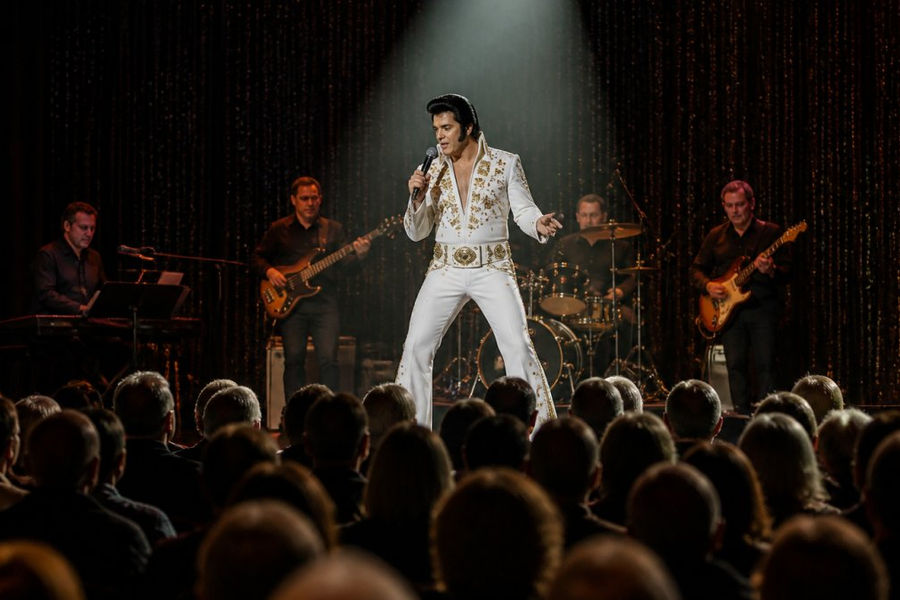
How Tribute Bands Honor Original Artists Through Authentic Performance
Authentic tribute performance starts with the music itself. A tribute band honors the original artist by getting the arrangements right before worrying about the visuals. Fans who know a catalog by heart will forgive a lot, but they will not forgive wrong chords.
Vocal Technique and Instrumental Skills
Singers in a tribute act train range, breath control, and tone to match a specific voice. That is hard work, and it can strain a voice that was not built for it. Instrumentalists learn signature riffs, tunings, and solos note for note. Some parts are simplified on the original record and expanded live, so players study concert footage to capture the real arrangement.
Costumes, Wigs, and Signature Looks
Costume accuracy signals respect when it is done well. A well-made replica jacket or a styled wig tells the audience the performer did the homework. Cheap knockoffs read as mockery. Most tribute artists build a small wardrobe of signature looks tied to specific eras of an artist's career.
Element | What It Covers | Why It Matters |
Vocal technique | Range, tone, phrasing | Fans recognize the voice first |
Instrumental skills | Riffs, solos, tunings | Wrong notes break the illusion |
Costumes and wigs | Signature looks by era | Shows research and respect |
Stagecraft | Movement, pacing, banter | Turns a set into a performance |
Pro Tip Record your own rehearsal and watch it back with the sound off. If your body language does not read as the artist from across a room, the costume will not save the performance.
What Makes an Authentic Tribute Performance
An authentic tribute performance is one where the audience stops tracking the recreation and starts responding to the music. That shift is measurable, and it is the clearest way to tell thoughtful legacy preservation from surface-level imitation.
Three signals carry most of the weight:
Vocal performance that matches the artist's tone, phrasing, and breath placement
Stage presence that mirrors how the original performer used a stage
Set list choices that follow the artist's own concert logic
What most guides miss is that authenticity is not perfection. A small imperfection handled with the artist's own confidence reads as more real than a note-perfect but stiff delivery. Audiences respond to conviction.
Measuring Whether the Legacy Actually Landed
Preservation is not a feeling; it is an outcome you can track. Tribute artists and the venues that book them can watch for a handful of concrete signals that a performance did more than entertain:
Post-show streaming lift. Ask the promoter to compare streaming counts for the original artist in the days before and after a show. A common pattern is a measurable bump the week following a strong tribute set.
Audience questions. Count how many attendees ask who wrote a song, when it was recorded, or where they can hear the original. Questions are the clearest sign that context landed.
Repeat attendance. Track how many ticket buyers return for a different era or a different artist in the same series. Return visits suggest the audience is following the catalog, not just the costume.
Age mix at the door. A healthy legacy show draws longtime fans and first-timers in the same room. If the room skews entirely one way, the outreach is not reaching new listeners.
Sing-along participation. When a crowd joins a chorus they were not alive to hear on the radio, the songbook has crossed a generation.
None of these require formal research. A simple tally after each show, streams, questions, returns, ages, sing-alongs, gives a tribute act a running record of whether the legacy is growing or just being repeated.
Where Authenticity and Impersonation Diverge
Authenticity and impersonation look similar on stage and behave very differently off it. An authentic tribute artist credits the original, explains the era, and treats the audience as people who came to hear a songbook. An impersonator treats the audience as people who came to see a copy. The first builds a following that outlasts the performer; the second depends on the novelty of the look.
The practical test is simple: if the artist's name were removed from the marquee, would the audience still leave knowing more about the music than when they arrived? If yes, the performance preserved something. If no, it only reenacted it.
Key Takeaway Authenticity is not a costume decision. It is whether the audience leaves with a song in their head and a reason to seek out the original recording.
Preparing a Tribute Show: Research, Rehearsal, and Set List
Preparation follows a clear path. Start with research, move to rehearsal, then lock a set list that tells a story.
Gather source material. Collect studio albums, live albums, concert films, and interviews.
Chart the catalog. Note keys, tempos, and any live-only changes.
Study the artist's history. Learn the stories behind the songs and the era they came from.
Rehearse in sections. Work vocals, then instruments, then full runs.
Build the set list. Open strong, place ballads mid-set, close with the signature song.
Run a full dress rehearsal. Costumes, lighting cues, and transitions included.
Record and review. Fix what reads as forced.
Rehearsal is where a tribute act earns its credibility. A set list is not a playlist. It is a script for an evening.
Watch Out Skipping the research step and copying another tribute act's set list is the fastest way to sound generic. Audiences notice when a show is built from someone else's homework.
Tribute Shows for New Generations
Tribute shows for new generations do more than entertain. They introduce classic songs to younger fans who may never have heard the original recordings on the radio.
That is the part we care about most at Theatre of the Rockies. A live performance gives a young listener a first encounter with a songbook, and that first encounter often leads to streaming the originals afterward. Live entertainment becomes a doorway into music history.
Pair each song with a short story about when it was written
Keep the pacing tight for shorter attention spans
Use visuals that place the music in its era
Invite the audience into the moment with sing-alongs
Younger fans do not need to be convinced the music is good. They need a reason to press play on the original.
Educational Music Outreach and Community Engagement
Educational music outreach brings tribute performance into schools, community centers, and local venues. These programs pair live songs with context: who wrote them, what they meant, and why they still matter.
Community engagement works best when it is two-way. A performer who explains a song's history and then takes questions turns a concert into a conversation. That format reaches cultural enthusiasts, students, and longtime fans in the same room.
Key Takeaway The strongest outreach programs treat the audience as participants, not spectators. Questions, stories, and sing-alongs turn a set into a shared memory.
Legal and Ethical Considerations: Music Rights and Licensing
Tribute performers need to understand music rights before they book a show. In the United States, a venue or promoter typically holds a public performance license through a performing rights organization such as ASCAP or BMI. That license covers the performance of copyrighted songs.
Other areas require care:
Name and likeness. Using an artist's name to advertise a show can raise right-of-publicity issues in some states. Clear, honest billing avoids most problems.
Recordings. Selling a live recording of copyrighted songs needs its own mechanical license.
Merchandise. Artwork that copies an artist's logo or image can create trademark trouble.
The U.S. Copyright Office guidance on music licensing explains how performance and mechanical rights differ. Ethical tribute work means crediting the original artist clearly and never implying an official connection that does not exist.
Best For Promoters and community organizers booking a tribute act who need a clear picture of licensing responsibilities before signing a contract.
Archiving Performances and Documenting Musical History
Archiving turns a single performance into a lasting record. Tribute artists who save recordings, set lists, and program notes are documenting musical history, not just their own work.
A simple archive can include:
Audio or video of each performance
Dated set lists with arrangement notes
Programs and promotional materials
Interviews with the performers about their research
Cultural impact is easier to show when there is a record to point to. Nonprofits and arts organizations often keep these materials for future researchers and educators. Preservation is a long game, and small habits add up.
Live music fades the moment the lights go down, unless someone is working to keep it. Preserving a musical legacy takes performers who study the originals and organizations willing to carry that work forward. Theatre of the Rockies is a 501(c)(3) nonprofit built for exactly that mission, with live theatre and concert productions, educational outreach, and a focus on connecting historical artistry with new generations. View tour dates and tickets to hear these songbooks performed the way they deserve.
Frequently Asked Questions
What is the 35 year rule in music?
The 35-year rule refers to a provision in U.S. copyright law that allows recording artists to regain ownership of their master recordings after 35 years. This means that after that period, the original artist or their heirs can reclaim rights to their work. Tribute artists must be aware of this rule because it affects how and when they can legally perform or record certain songs. Many legacy artists have used this rule to regain control of their catalogs, which can impact licensing for tribute shows.
Do tribute bands have to pay royalties to the original artists?
Yes, tribute bands typically must pay royalties to the original artists or their estates when they perform copyrighted songs. In the United States, venues usually pay blanket license fees to performance rights organizations like ASCAP, BMI, or SESAC, which then distribute royalties to songwriters and publishers. Tribute bands may also need to obtain permission for using an artist's name or likeness. Failure to do so can result in legal consequences. Always ensure your performances are properly licensed.
What makes a tribute performance authentic?
An authentic tribute performance goes beyond simply playing the right notes. It involves meticulous attention to vocal style, instrumental arrangements, stage presence, costumes, and even between-song banter. Tribute artists study live recordings and interviews to capture the artist's mannerisms and energy. Authenticity also means respecting the original artist's intent and avoiding parody unless clearly labeled. The goal is to make the audience feel like they are experiencing the original performer, while still adding a personal touch that honors the legacy.
How do tribute artists introduce classic music to new audiences?
Tribute artists introduce classic music to new audiences by performing at diverse venues, from theaters to festivals, and by engaging with younger fans through social media and educational programs. They often share stories about the songs' origins and the artist's cultural impact, making the music relatable. Collaborations with schools and community organizations help bridge generational gaps. By delivering high-energy, respectful shows, tribute artists create an entry point for younger listeners to discover and appreciate legendary musicians.
VIEW TOUR DATES & TICKETS


Comments