
7 Benefits of Live Concert Productions That Streaming Can't Match
Last Updated: October 28, 2026
Quick Summary
Live concert productions deliver benefits streaming cannot match: real-time crowd energy and artist connection, measurable well-being gains such as reduced stress and anxiety, and coordinated sound, lighting, staging, and video that build a one-night shared experience. They also give artists, organizers, sponsors, and communities visible engagement and a cultural anchor.
A 2025 study found live performances elicited stronger emotional and physiological responses than recorded versions.
MIT Media Lab research on Carnegie Hall well-being concerts linked reminders of the concert to less stress, anxiety, and depression.
Front-of-house and monitor engineers run separate live mixes, one for the audience and one for the performers.
Lighting cues timed to the same show timeline as sound land on the musical moment rather than a beat late.
The global live music market was projected to grow from $14.13 billion in 2026 to $22.42 billion by 2035.
Table of Contents
Why Live Concert Productions Still Draw Crowds in a Streaming World
Live concert productions remain one of the few entertainment formats that cannot be replicated through a screen. According to Oxford Economics' analysis of the live events industry, the live events sector generated an estimated $17.5 billion in total fiscal impact in 2019, including nearly $9.3 billion in federal tax revenue. That scale tells you something streaming cannot: people still leave the house, buy the ticket, and stand in the crowd.
A performance is not a file you press play on. It happens once, in one room, for the people who showed up.
Below, we break down seven benefits of live concert productions, from crowd energy to the production craft that makes a show feel alive. Each one explains why the format endures and what audiences actually take home.
1. The Energy of a Live Audience Is Something You Can Feel
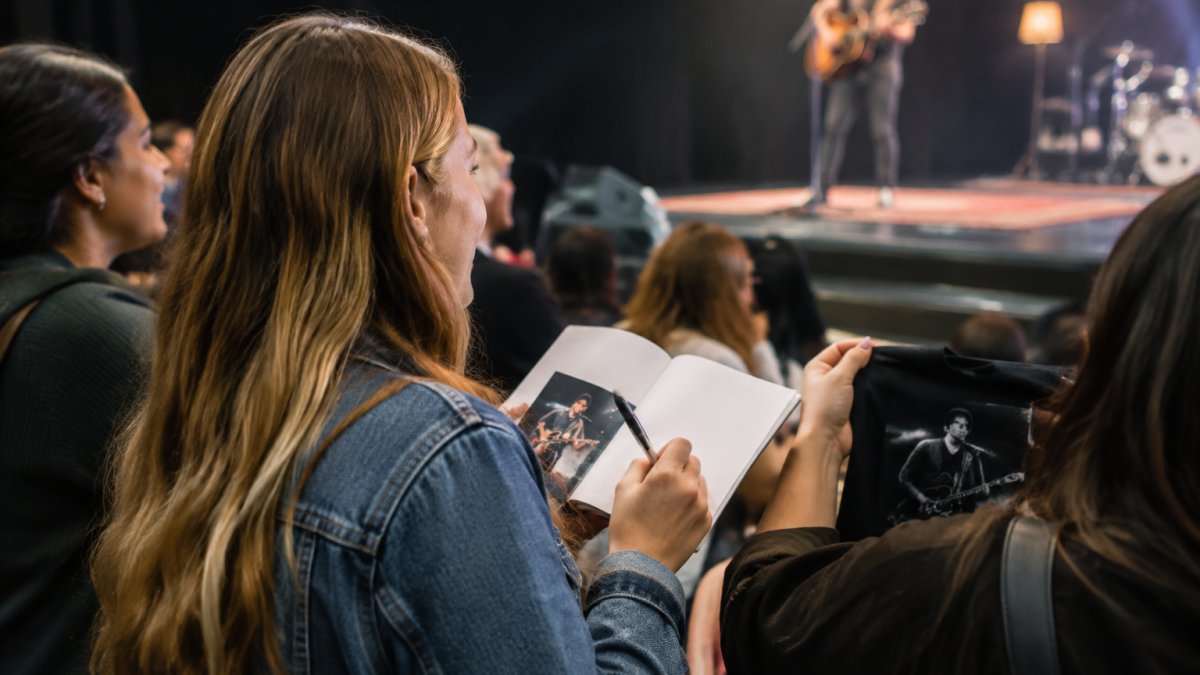
Crowd energy is the first thing a recording loses. A live audience responds in real time, and performers respond back, creating a feedback loop that no studio mix can reproduce.
A 2025 study on live versus recorded performances reported that live performances elicited stronger emotional and physiological responses than recorded versions. That finding matches what anyone who has stood in a packed hall already knows: the room changes how the music lands.
The shared experience does the rest. Applause, laughter, and the collective hush before a quiet verse turn a concert into a group event rather than a solo listen. That atmosphere is the product.
2. The Artist-Audience Connection Happens Only in the Room
Stage presence is not a quality you can stream.
Charisma shows up differently live. A musician who holds a note a beat longer because the crowd leaned in is making a choice that exists only that night.
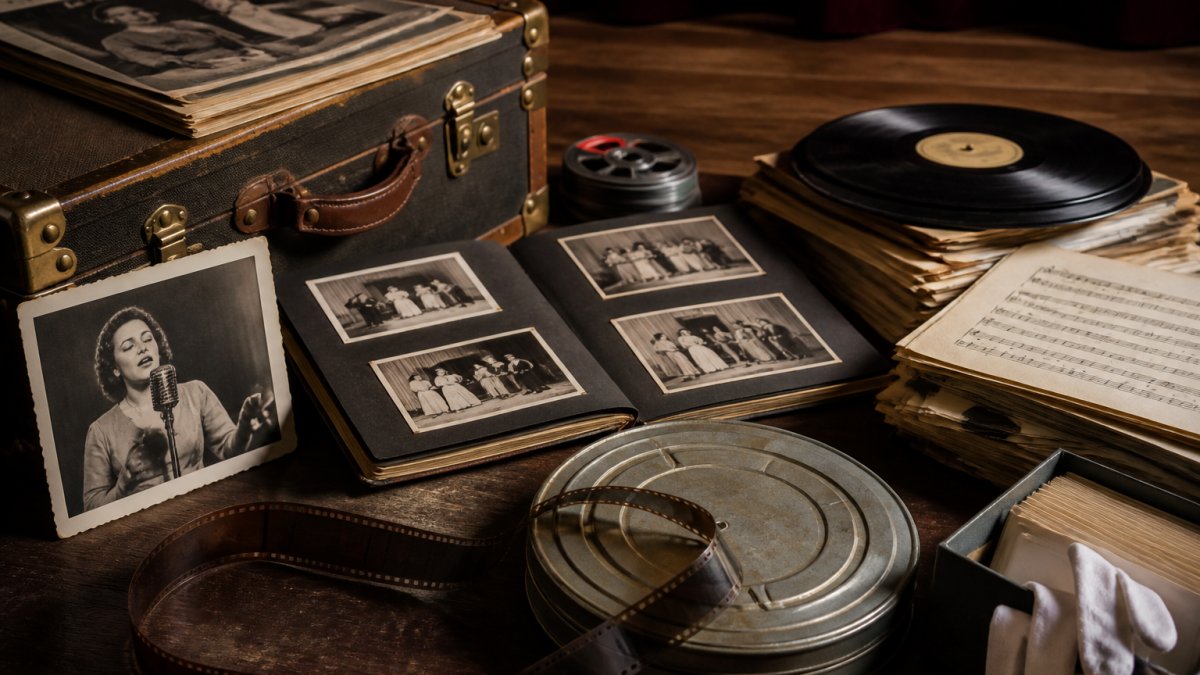
For tribute and legacy productions, that connection carries extra weight. Audiences come to hear familiar songs.
3. The Benefits of Live Music for Mood and Well-Being
The benefits of live music extend past entertainment into measurable well-being. Research from the MIT Media Lab's study on Carnegie Hall well-being concerts found that participants who received reminders of a well-being concert reported less stress, anxiety, and depression, along with greater positive emotion and social connection.
A University at Buffalo news release on live music research likewise reported that attending live music events can have lasting, meaningful effects on listeners' well-being. A 2022 study cited by the Levitt Foundation described significant reductions in depression and stress associated with live music, plus improved well-being.
A night out with music, a crowd, and a shared purpose does more than pass an evening. If you want the longer cultural argument, our piece on why live theatre matters for music history traces how performance keeps a legacy in circulation.
4. Live Concert Production Elements That Build the Experience
Live concert production elements are the systems that turn a performance into an event. Most articles list these components and stop. The useful question is how each one actually functions, who operates it, and what happens when they are not synchronized.

Sound Reinforcement: The Foundation Layer
Sound reinforcement is not simply amplification. A front-of-house engineer mixes the room in real time, balancing vocals against the band, managing feedback, and compensating for a hall's natural acoustics rather than fighting them. A monitor engineer handles what the performers hear on stage, which is a separate mix entirely. When those two mixes are dialed in, the audience hears clarity and the band hears itself, both are required for a confident performance. In a reverberant hall, the engineer may deliberately reduce low-end buildup; in a dry room, they may add reverb to create space. The mix is a live decision, not a preset.
Lighting Design: The Emotional Layer
Lighting does the emotional work that sound cannot. A lighting designer builds cues, pre-programmed looks tied to specific songs or moments, and a board operator executes them live, often calling cues by timecode or following the show director's script. Color temperature, intensity, and movement shift to match a song's mood: warm amber for an intimate ballad, saturated color and fast movement for an uptempo number. The mechanism matters because a lighting cue timed to a drum hit lands only when the sound and the visual arrive together. Get one element wrong and the whole moment flattens.
Staging, Rigging, and Set Design: The Physical Layer
Staging is the physical architecture of the show: the deck the band stands on, the rigging that holds lighting and video, and the set pieces that define the visual world. A stage manager coordinates load-in, changeovers, and safety, while riggers certify that overhead weight is within safe working limits. Set design shapes sightlines, where the audience can actually see, and determines how quickly a show can transition between numbers. A well-designed stage lets the production change looks without the audience noticing the crew.
Video and Projection: The Scale Layer
Video and projection add scale and narrative. A video director and playback operator run content synced to the performance, whether that is IMAG (image magnification) for large venues, pre-produced visuals, or live camera feeds. Projection mapping can turn a set piece into a moving backdrop. The mechanism is synchronization: video content is cued to the same show timeline as lighting and sound, so a visual reveal lands on the musical downbeat rather than a beat late.
Show Direction: The Coordination Layer
See how these pieces come together by watching videos of our live tribute performances.
5. Live Concert Productions vs Streaming Services: What Each One Gives You
Live concert productions vs streaming services is not a contest with one winner. Each format delivers something the other cannot, and the right choice depends on what you want from the evening.
Factor | Live Concert Production | Streaming Service |
Cost | Ticket purchase per event | Monthly subscription |
Access | One time, one place | On demand, anywhere |
Atmosphere | Shared crowd energy | Private, controlled setting |
Spontaneity | High, changes nightly | None, fixed recording |
Sound quality | Room-dependent, live mix | Studio-polished |
Memory | Event you attended | Content you consumed |
Streaming wins on convenience and repeat access. If you are weighing the choice, our guide to finding authentic musical tribute shows explains what separates a real performance from a pale imitation.
6. Spontaneity and Shared Memory: What Makes a Show Stick
A performer might change an arrangement, tell a story between songs, or bring the audience into a chorus.
You cannot rewatch the moment a room went quiet, or the encore nobody expected.
7. What Live Production Offers Artists, Organizers, and Communities
Live production pays off well beyond the audience. The benefits for artists, event organizers, sponsors, and communities are practical and, in many cases, measurable, yet most articles stop at the audience experience.
Benefits for Artists
For artists, live production is where a career becomes visible. A touring show builds an audience that recorded music alone rarely generates: fans who buy tickets, join mailing lists, and return on the next cycle. Performance frequency keeps skills sharp, musicians who play live regularly develop timing, stage presence, and the ability to read a room, none of which a studio session replicates. Live shows also function as a testing ground: new material can be tried in front of an audience, and the reaction tells the artist what works before a recording is finalized. Fan loyalty compounds across tours, and the live show is where that loyalty is earned.
Benefits for Event Organizers
Organizers gain something equally concrete: a room full of engaged people. Attendance and engagement at a live event are direct and observable, ticket sales, repeat attendance, and audience response are visible in a way that digital metrics are not. Live production also differentiates an event. A concert series, a corporate gathering, or a community program with a real production has a reason to exist that a streamed playlist does not. Organizers can point to attendance trends, audience retention across a season, and sponsor satisfaction as indicators that the production is doing its job.
Benefits for Sponsors
Sponsors buy visibility and association. A live production puts a brand in front of an engaged audience in a physical setting, with opportunities for stage presence, signage, and program recognition that digital placements struggle to match. The measurable indicators are straightforward: attendance figures, audience engagement during the event, and the sponsor's own recall or satisfaction surveys. Event differentiation matters here too, a sponsor attached to a distinctive production gains an association that a generic placement cannot deliver.
Benefits for Communities
The community benefit is the part that gets overlooked. A concert series gives a town a shared cultural anchor and a reason to gather. The global live music market was projected to grow from $14.13 billion in 2026 to $22.42 billion by 2035, a 5.3% compound annual growth rate, according to Business Research Insights' market forecast. Growth at that pace reflects demand, and demand reflects value.
One honest caveat: affordability remains a real concern. An IBISWorld industry analysis of concert promotion described record grosses and strong attendance alongside eroding affordability for many fans. Nonprofit arts organizations exist partly to answer that tension, pairing access with preservation.
Pro Tip If you are evaluating a live production partnership, ask for the indicators that matter: attendance trends, repeat attendance, audience engagement during the event, and sponsor satisfaction. Those are the numbers that show whether the production is delivering for artists, organizers, and sponsors alike.
Frequently Asked Questions
What are the benefits of attending a live concert?
Live concerts combine crowd energy and artist-audience connection in one place.
How are live concert productions different from streaming?
Streaming gives you convenience and a huge catalog, but it delivers a fixed recording every time. Live concert productions offer a different experience.
Can attending concerts improve mood and well-being?
Several studies point that way. MIT Media Lab research on Carnegie Hall well-being concerts found participants who received reminders reported less stress, anxiety, and depression, plus greater positive emotion and social connection. A 2022 Levitt Foundation study reported similar reductions in depression and stress alongside improved well-being. The effects come from the combination of music, atmosphere, and being around other people, which is why the shared setting matters as much as the songs.
Are live concerts a good way to discover music from earlier generations?
Theatre of the Rockies is a nonprofit arts organization committed to preserving musical legacies and connecting new audiences with them.



Comments