
Preserving Musical Heritage Through Theatre: A Guide
Table of Contents
Why Preserving Musical Heritage Through Theatre Matters
How Historical Accuracy in Theatre Builds Trust
Research Methods That Get the Details Right
Musical Tribute Productions That Honor the Original Artists
A Staging Workflow for Musical Traditions
What Separates a Tribute From a Tribute Band
Translating a Tradition to the Stage
Theatre Archives and Documentation: Saving the Work for the Future
Digital Preservation and Access
Music History Education: Passing the Legacy to New Generations
Ethical Collaboration With Source Communities and Artists
Measuring Preservation Outcomes and Funding the Work
Conclusion
Frequently Asked Questions
Last Updated: October 17, 2026
Why Preserving Musical Heritage Through Theatre Matters
Preserving musical heritage through theatre is the practice of staging, documenting, and teaching the songs and stories of influential artists so that each generation can encounter them as living performance rather than as archival footage.

That distinction matters more than it might seem. A recording captures one performance on one day.
Below, we break down how preservation actually works in practice: historical research, tribute production standards, archiving, education, ethical collaboration, and how to measure whether any of it is succeeding.
How Historical Accuracy in Theatre Builds Trust
Accuracy is the foundation of audience trust. When a production gets a date, an arrangement, or a biographical detail wrong, knowledgeable audience members notice, and the whole enterprise starts to feel like costume drama rather than preservation.
The stakes are higher than pedantry. Music history education only works if the history is right. A tribute production that invents details teaches the wrong story to the people least equipped to catch the error, which is usually the youngest people in the room.
Research Methods That Get the Details Right
Strong productions build a research file before anyone touches a script. A practical approach:
Collect primary sources: original recordings, contemporary reviews, interviews, and liner notes
Cross-check dates and credits against at least two independent references
Consult the Library of Congress recorded sound collections for archival recordings and documentation
Interview people who were present: session musicians, family members, local promoters
Have a historian or dramaturg review the script before rehearsal begins
Keep a source log so any claim on stage can be traced to a document
Pro Tip Build the source log before the script, not after. When a disagreement surfaces in rehearsal, the production with a documented research file settles it in minutes. The one without ends up guessing, and guesses have a way of becoming "facts" in the program notes.
Musical Tribute Productions That Honor the Original Artists
A tribute production is a staged performance built around a specific artist's catalog, combining live music with narrative, staging, and historical context. Done well, it introduces a body of work to people who never saw the original performer. Done poorly, it becomes a cover set with a backstory glued on.
The difference is intent and craft. Honoring an artist means understanding why an arrangement worked, what the songwriter was responding to, and how the original performance felt to the audience in the room. Most coverage of this topic stops at that definition. The useful part is the workflow that turns a catalog into a stage production without flattening it.
A Staging Workflow for Musical Traditions
A repeatable process keeps a production honest and makes it teachable to the next season's team. A common pattern among companies that do this well:
Scope the repertoire. Choose a bounded body of work, usually one artist, one regional tradition, or one era, rather than a survey. Bounded scope is what makes accurate research possible.
Build the research file. Collect original recordings, contemporary reviews, interviews, liner notes, and sheet music or transcriptions. Cross-check dates and credits against at least two independent references.
Map the arrangements. Note instrumentation, keys, tempos, and vocal styles on the original recordings. Decide which elements are load-bearing for the story and which can be adapted for a live ensemble.
Draft the narrative spine. Write the spoken context first, then place songs against it. The narrative should explain why each song mattered, not just introduce it.
Consult before rehearsal. Bring community advisors, estate representatives, or surviving collaborators into the room while changes are still cheap.
Rehearse with the source playing. Keep reference recordings audible in rehearsal so the ensemble hears what fidelity means for this catalog.
Document the production. Capture scores, arrangements, rehearsal notes, programs, and a performance recording, then file them with descriptive metadata.
What Separates a Tribute From a Tribute Band
A tribute band replicates a sound. A tribute production interprets a legacy.
Repertoire depth: a tribute band plays the hits; a production explains why those songs mattered and usually includes the overlooked material
Narrative structure: spoken context, archival imagery, and staging that situates each song in its moment
Musical fidelity with purpose: period-correct instrumentation where it serves the story, not as a gimmick
Educational framing: program notes, pre-show talks, and post-show discussion
Respect for the source: no invented biography, no dramatized scandal for shock value
Translating a Tradition to the Stage
When the subject is a regional or traditional repertoire rather than a single famous artist, the adaptation questions change. Language, tuning systems, instrument construction, and performance conventions may not map cleanly onto a modern theatre ensemble. Three practical moves help:
Keep one anchor element unaltered. Preserve the vocal style, the lead instrument, or the language of the original, and let the rest of the production adapt around it. The anchor is what the audience recognizes as authentic.
Explain the translation on stage. A short spoken or projected note about what was adapted and why turns a compromise into part of the educational content.
Record the adaptation decisions. Future producers need to know which choices were artistic and which were constraints, or they will repeat the same debates.
Watch Out The most common mistake we see in tribute work is treating accuracy as optional once the music sounds right. Audiences forgive a missed high note. They do not forgive a production that rewrites an artist's life for dramatic effect, and word travels fast in fan communities.
Theatre Archives and Documentation: Saving the Work for the Future
An unrecorded production disappears when the run closes. Archives and documentation are what turn a single season into a durable contribution to cultural preservation.
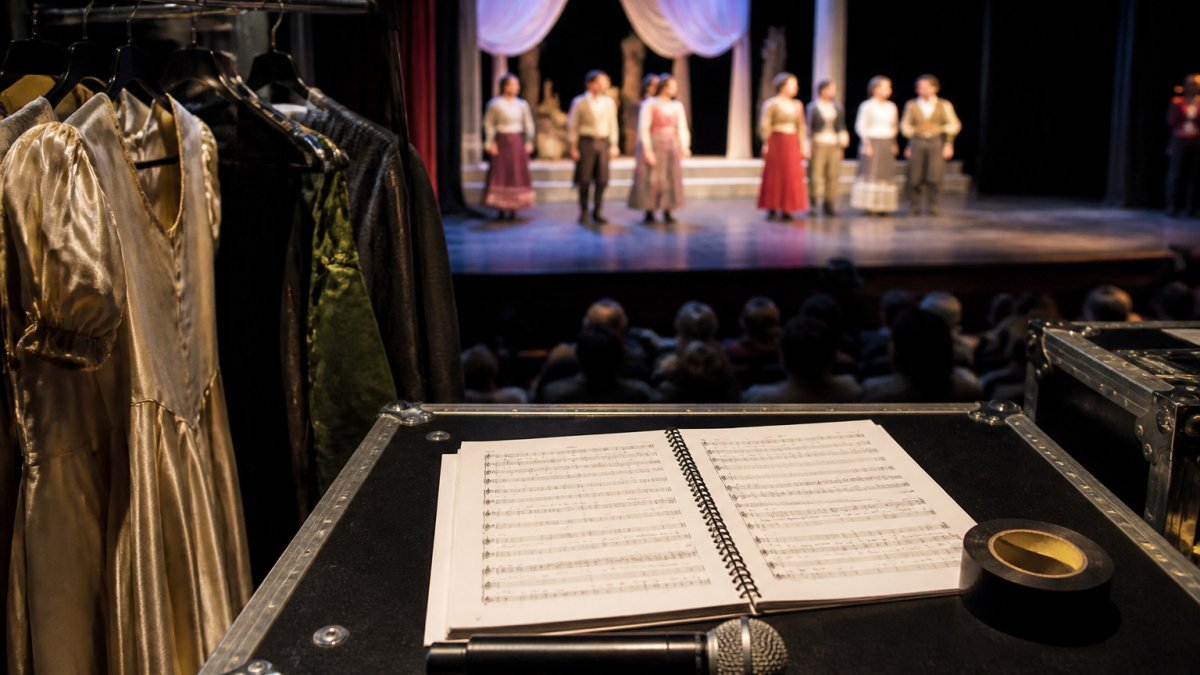
Documentation covers more ground than most people expect: scripts, scores, arrangements, rehearsal notes, costume and set designs, programs, press coverage, and recordings. Each item answers a different question for a future researcher or producer.
Digital Preservation and Access
Digital archiving has changed what small organizations can accomplish. A production team can now capture a full performance, scan a program, and publish a searchable record without a dedicated archive department.
Practical steps that work at almost any budget:
Store master recordings in at least two locations, one off-site
Use open, widely supported file formats rather than proprietary ones
Write descriptive metadata for every file: date, production, personnel, rights status
Clear performance and recording rights before publishing anything
Publish finding aids so researchers and fans can actually locate material
The National Archives guidance on preserving digital records is a useful starting point for organizations building a preservation policy from scratch. Access matters as much as storage: an archive nobody can search is a locked room.
Music History Education: Passing the Legacy to New Generations
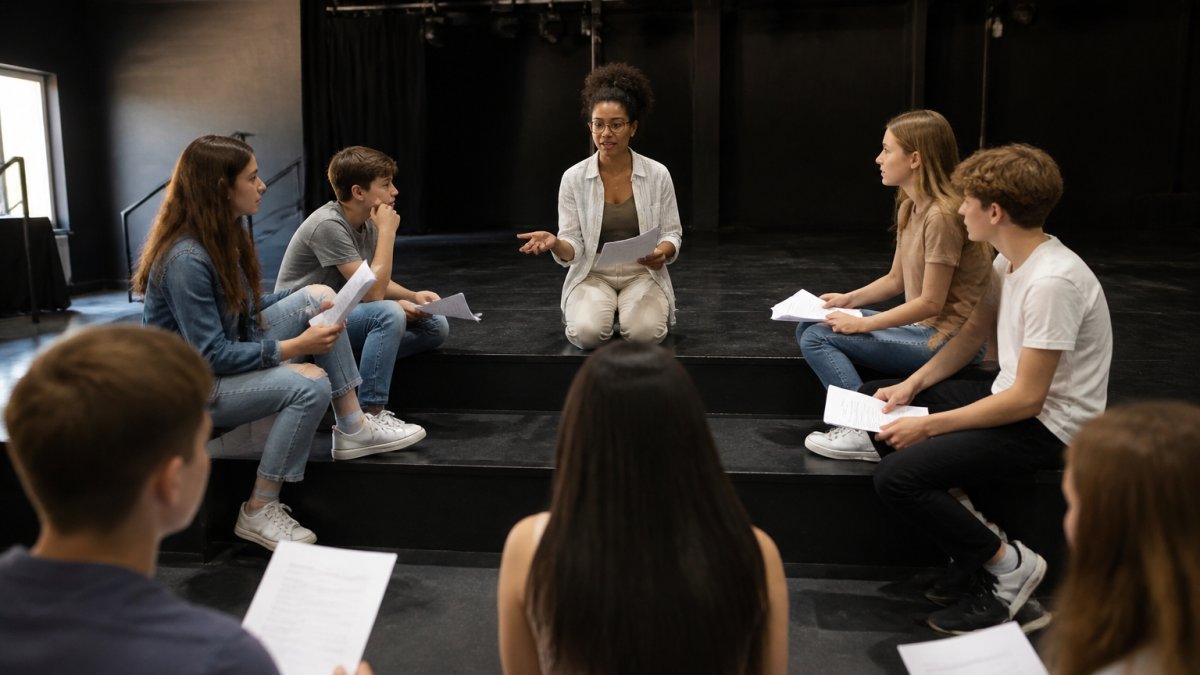
Education is where preservation either succeeds or quietly fails. A production reaches the people in the seats. An education program reaches the people who will be running the theatre in twenty years.
Effective outreach pairs live performance with structured learning.
Oral history is the underused asset here. Recorded interviews with audience members, session players, and local broadcasters capture details no published source contains. Those recordings become primary material for the next production and for the next generation of researchers.
Key Takeaway The strongest education programs treat students as future stewards, not as an audience to be entertained once. Give them the sources, the context, and the recordings, and some of them will carry the work forward.
Ethical Collaboration With Source Communities and Artists
Preservation done without consent is extraction. Ethical collaboration means the people whose heritage is being staged have real authority over how it is presented.
In practice, that requires answering some uncomfortable questions early. Who was consulted before the repertoire was chosen? Are living artists, estates, and family members credited and compensated appropriately? Does the community see the production before the public does? Are sensitive or sacred works handled according to the traditions they come from?
A workable collaboration standard:
Question | Weak Practice | Strong Practice |
Who approves the repertoire? | Production team alone | Community advisors and estate representatives |
How are sources credited? | Program notes only | Named credit plus licensing agreements |
When is the community consulted? | Opening night | Pre-production and rehearsal |
How is feedback handled? | Ignored after launch | Formal review with changes made |
None of this slows a production down as much as a public dispute does. Consultation is cheaper than correction.
Measuring Preservation Outcomes and Funding the Work
Preservation work is difficult to evaluate because its results unfold over years. Still, organizations can track meaningful signals: audience reach across age groups, the number of new works documented and archived, education program participation, and the volume of oral histories captured.
Funding follows evidence. The National Endowment for the Arts grant programs and state arts councils remain the primary sources of public support for this kind of work, and private foundations and individual donors fill the rest.
Transparency is part of the measurement story. Donors and members want to know how ticket revenue and contributions translate into programming and outreach.
Conclusion
The real challenge in this work is not staging a beautiful evening of music. It is building something that outlasts the run: accurate research, documented archives, educated audiences, and partnerships built on consent.
Theatre of the Rockies exists for exactly that purpose. As a federally recognized 501(c)(3) nonprofit, we preserve musical legacies through live theatre and concert productions, connect historical artistry with new generations through educational outreach, and document the work so it remains available to the people who come after us. If you want to be part of keeping this music alive on stage, view our tour dates and tickets and join us in the audience.
Frequently Asked Questions
How can theatre help preserve musical heritage?
Theatre keeps musical heritage alive by staging songs in the context where they were created. A production can pair a composer's repertoire with the stories, instruments, and era behind it, so audiences hear melody and rhythm alongside the history. Live performance also creates collective memory: people remember what they experience together. When theatres document those productions through theatre archives and documentation, the work outlasts the run and becomes a resource for students, researchers, and future performers.
What makes a musical tribute historically accurate?
Accuracy comes from research, not imitation. Directors and music directors study recordings, sheet music, oral history, and interviews to understand tempo, arrangement, and staging choices. Historical accuracy in theatre means the production reflects what is documented and clearly labels anything that is interpretation. A strong musical tribute production also credits its sources and works with scholars or family estates. That process protects the legacy and gives audiences confidence that the story on stage is grounded in fact.
How can live performance introduce younger audiences to musical legacies?
Live performance turns music history education into an experience rather than a lecture. A theatre can program school matinees, talkbacks with performers, and study guides that connect songs to the social movements and events of their time. When students hear traditional instruments and melodies in person, the material becomes memorable. Pairing a show with classroom activities and theatre archives and documentation gives teachers durable resources, and it helps younger listeners build cultural appreciation and empathy for the generations who created the music.
What are effective ways to document a theatre production for future audiences?
Start with a consistent archive plan. Record audio and video of rehearsals and performances, scan scripts, scores, programs, and production notes, and collect interviews with directors, performers, and community collaborators. Label every file with dates and rights information. Store copies in more than one location, including a digital repository, and write a short summary of each production for public access. Theatre archives and documentation work best when they are built into the production schedule from day one rather than assembled after closing night.
How can educators use musical theatre to teach cultural history?
Musical theatre gives teachers a narrative entry point into cultural history. A production about a specific artist or tradition can anchor lessons on the era's music, technology, and social change. Educators can use song lyrics, oral history excerpts, and production recordings as primary materials, then ask students to compare arrangements or write about how a melody carries community identity. Many theatres offer study guides and artist conversations. Combining a field trip with classroom follow-up turns a single performance into a unit on cultural preservation and collective memory.
VIEW TOUR DATES & TICKETS



Comments